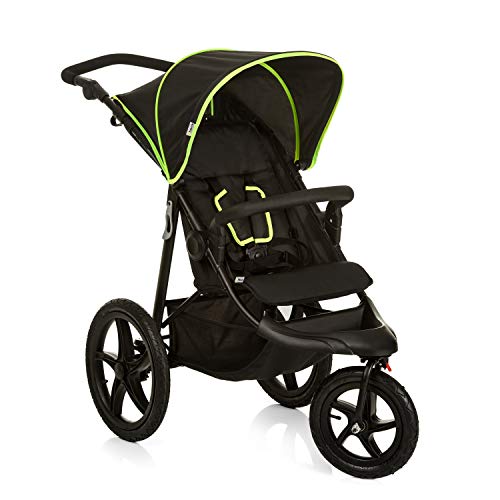
Pram Vs Pushchair: 11 Things You're Forgetting To Do
Pram Vs Pushchair: What's the Best Choice for Your Child?
When it pertains to transferring your child, moms and dads typically find themselves asking the concern: Pram or Pushchair? While click here serve the necessary function of bring infants and young children, they vary considerably in style, functionality, and function. This thorough guide will explore the pros and cons of each choice, helping you make an informed decision that best fits your way of life and needs.
Comprehending the Basics
Before we dive into the information, let's clarify what exactly a pram and a pushchair are.
Pram: A pram, short for perambulator, is generally created for newborns to around 6 months old. It features a flat, reclining seat that enables infants to lie down totally. Prams usually feature big wheels for smoother trips on diverse surface.
Pushchair: A pushchair, likewise understood as a stroller, is created for older babies and young children who can stay up on their own. Pushchairs usually have a more upright seat and are lighter and more compact than prams, making them simpler to navigate in crowded areas.
Secret Differences Between Prams and Pushchairs
Here's a comparative breakdown of the significant differences between prams and pushchairs:
Feature
Pram
Pushchair
Age Range
Newborn to 6 months
6 months to 4 years
Seating Position
Completely reclining
Upright or reclining
Weight
Heavier
Lighter, differs by design
Portability
Less portable, bulkier
More portable, simpler to fold
Surface
Better for rough terrains
Best for metropolitan environments
Storage
Restricted storage choices
Frequently comes with storage baskets
Cost
Normally more expensive
More affordable alternatives
Benefits and Disadvantages
Pram
Benefits:
- Comfort for newborns: The flat, reclining seat supplies a comfortable area for infants, which is essential for their developing spinal column.
- Stable design: Prams are normally more stable, making them ideal for outside walks, particularly on irregular surface areas.
- Style: Many moms and dads value the timeless and stylish look of prams.
Downsides:
- Less flexibility: Prams can be bulky and heavier, making them less useful for daily use.
- Much shorter lifespan: As your child grows, the pram may no longer be suitable after they reach six months.
Pushchair
Advantages:
- Lightweight and compact: Pushchairs are easier to transport and maneuver, especially in crowded locations or public transportation.
- Versatile seating positions: Many pushchairs offer adjustable seats, enabling reclining positions for naps or sitting up for exploration.
- Storage choices: Most pushchairs consist of storage baskets, making them useful for carrying bags or child essentials.
Drawbacks:
- Less convenience for newborns: Not all pushchairs appropriate for newborns unless they come with a baby vehicle seat or carrycot attachment.
- Stability problems: Some light-weight models might not carry out well on unequal terrain.
Picking the Right Option for You
When choosing in between a pram and a pushchair, think about the list below elements:
1. Age of Your Child
- If you have a newborn, a pram may be the best option.
- For older babies and young children, a pushchair is generally more useful.
2. Lifestyle and Usage
- Urban occupants may choose the lightweight and compact design of a pushchair.
- Parents who take pleasure in outdoor activities might gain from the stability and comfort of a pram.
3. Budget
- Prams tend to be more pricey due to their design and materials.
- Pushchairs are offered across a more comprehensive price range, providing you more alternatives.
4. Storage Space
- If you have actually restricted storage in your home or in your automobile, a pushchair is easier to fold and keep.
5. Surface Considerations
- For families living in areas with rough surface, a pram might use better movement.
- If you primarily browse city streets, a pushchair will likely be more effective.
FAQs
Q1: Can I utilize a pushchair for a newborn?
A: Yes, numerous modern-day pushchairs featured infant safety seat adapters and carrycots that enable them to be used for newborns. However, examine the manufacturer's standards to guarantee security.
Q2: Do I need both a pram and a pushchair?
A: It depends on your way of life. Some moms and dads decide for both for different occasions, while others find one option enough.
Q3: Are prams and pushchairs simple to clean?
A: Most modern-day designs are designed with easy-clean materials, however always check the manufacturer's guidelines for particular care guidelines.
Q4: How long can I utilize a pushchair?
A: The life-span of a pushchair typically ranges from around 6 months to 4 years, however this can differ based upon the design and weight capability.
Q5: Are there travel systems that consist of both?
A: Yes, many brands use travel systems that include both a pram and pushchair components, permitting a smooth transition as your baby grows.
The option between a pram and a pushchair eventually boils down to personal choice and way of life needs. Comprehending the differences, advantages, and disadvantages of each can help you make a decision that will offer your child with comfort and safety while meeting your family's practical requirements. Whether you go with the conventional pram or the versatile pushchair, buying quality equipment will allow you to navigate the journey of being a parent with ease and self-confidence.